Termite Treatment from Local Providers
Request a termite estimate
Termites are quiet. They chew wood from the inside, so the first clue is often small: a bit of wing, a thin mud tube, a door that suddenly sticks. If you have seen something like that, you are in the right place.
Intoprocedure Pest Control is a referral service. It does not do the treatment. It links you with an independent provider in its network who inspects the house, finds out what is going on, and talks you through a plan. You spend less time searching and more time getting answers. Catching it small is good for the wood, and it protects the house you have worked hard to keep up.
Think You Have Termites? Start Here
Take a slow breath. Finding a mud tube or a pile of tiny wings is upsetting. It is also useful, because you noticed. Now the goal is simple: reach a qualified person while the problem is still small.
Intoprocedure Pest Control is a referral service. The work itself is done by an independent local provider in the network. Request a callback to check provider availability in the Pleasant Prairie area.
Why Termites Need Prompt Attention
Termites feed on wood from the inside out. They can work for months before anything looks wrong. Over time they can weaken floor joists, sill plates and wall studs.
Early findings usually mean smaller repairs. Late findings can reach the structure. That matters for safety, and it matters for what your home is worth when you sell. Protect the house by acting while the damage is light.
Why Our Climate Helps Them
Hot, humid summers and wet springs keep soil damp. Damp soil is where many termites live. Spring flooding can push them toward your foundation. Frame houses from many decades often have old wood sitting close to the ground, which gives them an easy path in.
Know the Warning Signs
Inside the House
Look for these quiet clues:
- Thin mud tubes along walls or beams
- Small, papery wings near windows or doors
- Wood that sounds hollow when tapped
- Paint that bubbles or sags for no reason
- Doors and windows that start to stick
In the Basement
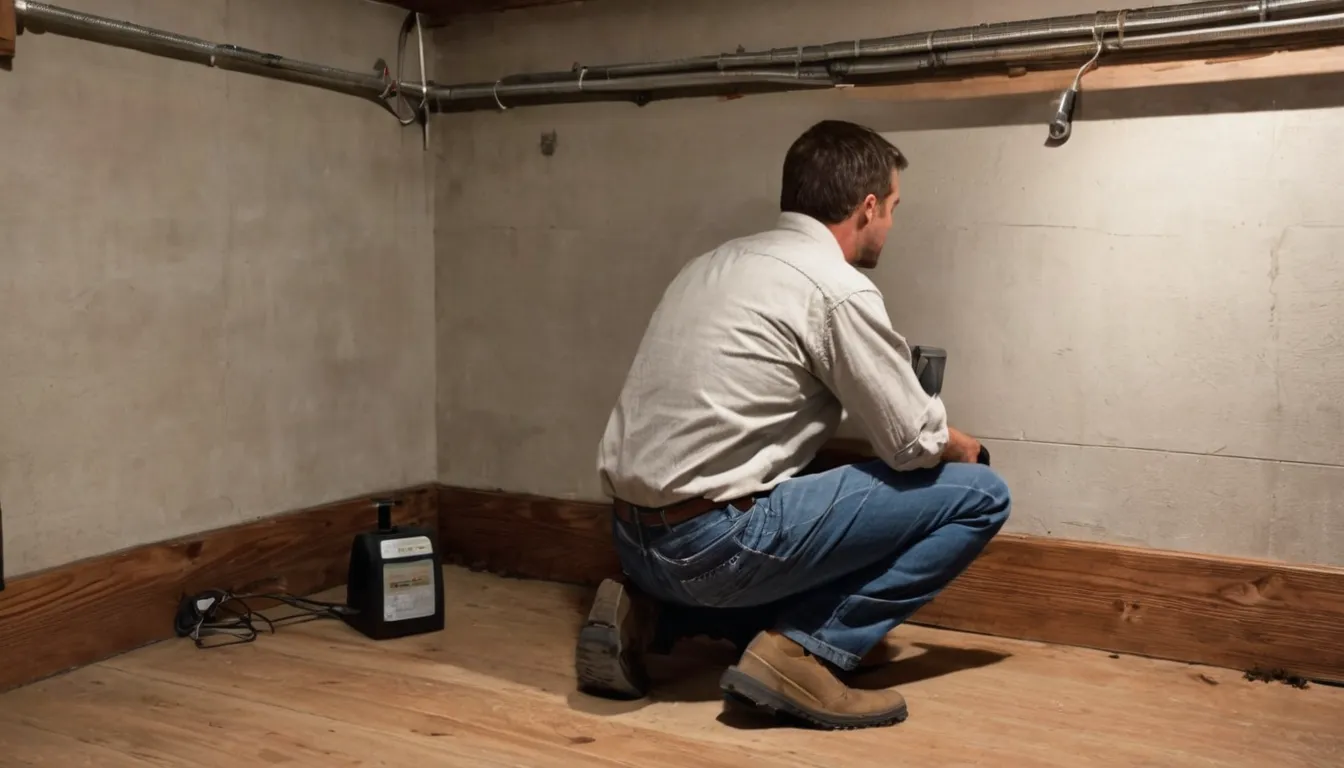
Full basements with sump pumps are damp by nature. Shine a flashlight along the sill plate and the rim joist. Check stored lumber, cardboard and wood resting against the walls. Soft or crumbly spots deserve a closer look.
Around the Outside
Walk the yard. Wood siding that touches soil, old porch steps, fence posts, stumps and stacked firewood are all common entry points. Gutters that spill beside the foundation add moisture.
Types of Termites
A provider will name the kind you have, because each one is treated differently.
Subterranean Termites
These live in the soil and build mud tubes up to the wood. They are the most common kind in cold-winter regions.
Drywood Termites
These live inside dry wood and need no soil contact. They are less common in cold climates, but they can arrive in furniture or lumber.
Dampwood Termites
These prefer wet, rotting wood. A leak or poor drainage can invite them.
How Termite Treatment Works
The Inspection
The provider checks the basement, crawl spaces, foundation and exterior. They look for live activity, old damage and moisture trouble.
The Plan
You get an explanation of what was found and what is suggested. Ask for it in writing. A clear plan lists the method, the areas covered and the follow-up visits.
Common Methods
- Liquid treatment in the soil around the foundation
- Bait stations placed around the yard
- Targeted treatment of infested wood
- Whole-structure treatment for some drywood problems
Timing and Follow-Up
Many providers can respond quickly, but availability varies. Most treatments need a recheck later to confirm the colony is gone.
Termite Inspections for Home Sales
Buyers and lenders often ask for a termite inspection. A clean report builds trust. A problem found early can be treated and repaired before a sale falls through. If you plan to sell, an inspection first gives you time and choices.
Buying a home? The same inspection can show you what you are taking on.
Choosing a Termite Provider
A few simple questions help you compare providers:
- Are they licensed to treat termites in your state?
- Will they give a written quote with the method listed?
- What warranty or follow-up comes with the work?
- Can they explain what they found in plain words?
Be cautious of anyone who pushes you to sign on the spot.
After Treatment
What to Expect
You may see a few insects for a short time. That is normal. Keep your follow-up visit on the calendar.
Keep Them From Returning
- Point downspouts and sump discharge away from the foundation
- Keep firewood and lumber off the ground and away from the house
- Fix leaks and damp spots quickly
- Leave a gap between soil and siding
Repairs and Insurance
Damaged wood may need to be repaired or replaced. Some policies may cover sudden damage, but termite damage is often excluded, so check your policy. Providers can often help document damage for a claim.
Ready When You Are
You do not have to figure this out alone. Less searching, more relief.
What's Included
Full Inspection
A provider checks the basement, foundation, framing and yard for live activity and hidden damage.
Clear Findings
You hear what was found, where, and how serious it looks, in plain words.
Treatment Plan
A written plan names the method, the areas treated, and any follow-up visits that are needed.
Follow-Up Checks
Many providers return to confirm the treatment worked and the wood is staying dry.
What Termite Treatment Typically Costs
Prices vary with home size, the kind of termite, and how far the activity has spread. These are typical U.S. ranges only. Always get a written quote before work starts.
| Service | Typical range | Notes |
|---|---|---|
| Termite inspection | $75 – $300 | Some providers charge less when treatment follows |
| Liquid soil treatment | $1,200 – $2,500 | Common for subterranean termites around a foundation |
| Bait station system | $1,500 – $3,500 | Often includes monitoring visits |
| Spot treatment of wood | $250 – $900 | For small, limited areas of activity |
| Whole-structure drywood treatment | $1,500 – $6,000 | Depends on home size and method |
| Annual renewal or monitoring | $100 – $400 | Varies by warranty terms |
How It Works
Reach Out
Request a callback to check provider availability, or use the estimate request form.
Get Matched
Intoprocedure Pest Control connects you with an independent local provider in its network.
Inspection Visit
The provider looks over your home and explains what they find.
Review the Quote
Read the written plan and price, then choose what feels right.
Why Call Intoprocedure Pest Control
Less Searching, Less Stress
Skip the long hunt for a provider. You are pointed toward one who handles termite work.
Local Providers
Independent providers in your area know the soil, the weather and the older homes nearby.
Protect Home Value
Acting early helps keep damage small, which supports your home's condition and future resale.
No Obligation
Request an estimate and decide on your own time, with no pressure.
Other Services
Need termite treatment in Pleasant Prairie?
Tell us what you are seeing. A local provider in our network can follow up to talk it through and set up a visit.
No obligationTermite Treatment FAQ
How do I know if I have termites or just ants?
Termites have straight bodies and thick waists. Ants have pinched waists and bent antennae. Winged termites have two equal pairs of wings. A provider can confirm which one you have during an inspection.
How long does termite treatment take?
Many treatments take a day or two to apply, depending on the home and the method. Bait systems and follow-up checks can continue for months, so ask the provider for a full timeline in writing.
Is termite damage covered by homeowners insurance?
Often it is not, because policies tend to treat termite damage as preventable. Some policies may cover sudden damage, so check your policy and ask your provider about documenting what they find.
Request a callback
Tell us what you are seeing. A local provider in our network can follow up to talk it through and set up a visit.
No obligation